

The relationship between Donald Trump and Vladimir Putin has captivated global audiences for over a decade, blending admiration, controversy, and geopolitical tension. From early business overtures to high stakes summits and the ongoing Ukraine conflict, the Trump Putin relationship has influenced US-Russia relations in profound ways. This analysis delves into their dynamic, exploring how it has shaped policies, elections, and international alliances, while addressing key questions like: What is the relationship between Donald Trump and Vladimir Putin? And how did Trump and Putin’s relationship affect US policy? Recent developments, including the August 2025 Alaska summit, highlight the evolving nature of this liaison, with Trump pivoting on ceasefire demands and aligning more closely with Russian positions.
An Unlikely Alliance: The Genesis of the Putin-Trump Connection
Before the Presidency: Trump’s Business Ventures and Early Praise for Putin
Donald Trump’s interest in Russia dates back to the late 1980s, long before his political ascent. In 1987, Trump visited Moscow to explore hotel development opportunities, marking the start of a decades-long pursuit of business ties in Russia. Over the years, the Trump Organization attempted multiple projects, including a proposed Trump Tower in Moscow during the 2016 campaign, which involved discussions with Russian developers like the Crocus Group. Although many deals fell through, Russian buyers invested heavily in Trump properties, such as the $95 million purchase of a Palm Beach mansion by billionaire Dmitry Rybolovlev in 2008.
Financially strained after multiple bankruptcies in the 1990s, Trump turned to Russian-linked funding sources. Organizations like the Bayrock Group, led by Soviet born businessman Felix Sater, partnered with Trump on projects like Trump SoHo, where 77% of units were bought by Russian entities through shell companies. Trump’s son, Donald Trump Jr., stated in 2008 that “Russians make up a pretty disproportionate cross section of a lot of our assets,” highlighting the extent of these ties. These connections fueled speculation about deeper entanglements, though Trump repeatedly denied active business in Russia. In the context of his 2025 presidency, these historical ties continue to raise questions about potential conflicts of interest in US-Russia diplomacy.
Publicly, Trump praised Putin early on, calling him a “strong leader” in 2015 and expressing admiration for his decisiveness. This mutual flattery set the tone for their future interactions, blending personal rapport with strategic interests. As Trump’s second term unfolds, this early praise echoes in his recent summit rhetoric, where he emphasizes personal relationships over institutional frameworks.
The 2016 Election: A Campaign Clouded by Allegations
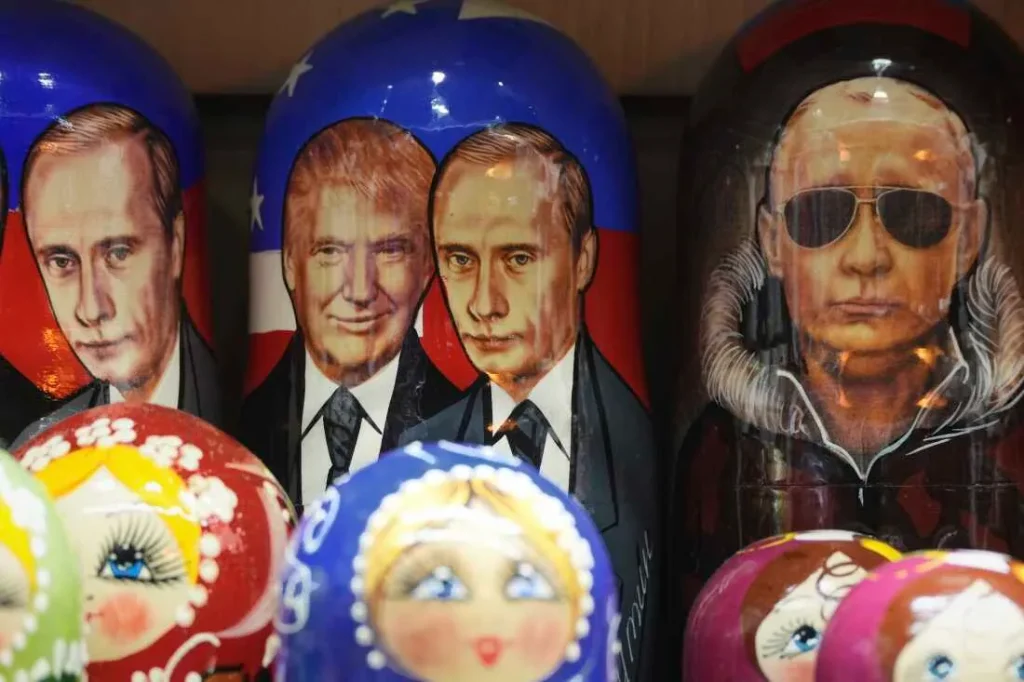
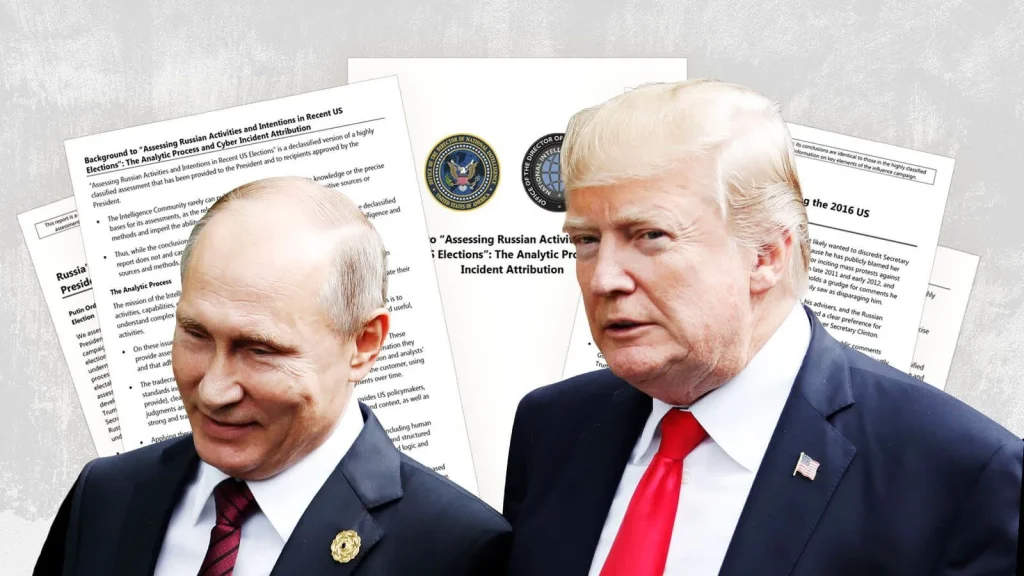
The 2016 U.S. presidential election became synonymous with allegations of Russian interference aimed at benefiting Trump. U.S. intelligence agencies concluded that Russia, under Putin’s direction, conducted a multifaceted operation involving hacking Democratic emails and spreading disinformation via social media. The Internet Research Agency, a Russian troll farm, spent millions on ads and posts to influence voters. Twelve Russian GRU officers were indicted for hacking the Democratic National Committee.
Trump campaign associates, including Paul Manafort and Michael Flynn, had extensive Russian contacts. A June 2016 meeting at Trump Tower involved Donald Trump Jr., Jared Kushner, and Russian nationals promising dirt on Hillary Clinton. While no direct collusion was proven, the Senate Intelligence Committee described these interactions as a “grave” counterintelligence threat. These events strained US-Russia relations, leading to sanctions and diplomatic expulsions. In retrospect, the 2016 interference set a precedent for ongoing suspicions, amplified in 2025 as Trump engages directly with Putin on global issues.
“He’s a strong leader”: Analyzing Their Early Mutual Admiration
Post
Early exchanges between Trump and Putin were marked by reciprocal praise. Trump described Putin as “a strong leader” in 2015, contrasting him with Obama, whom he called weak. Putin reciprocated, calling Trump “bright and talented” in 2015 and later praising his intelligence and experience. In 2016, Trump said he’d “get along very well with Vladimir Putin,” emphasizing shared toughness.
This admiration extended to policy views. Trump echoed Putin’s skepticism of NATO and praised Russia’s military buildup. Analysts suggest this rhetoric aligned with Russian interests, weakening Western unity. This pattern persists in 2025, with Trump’s Alaska summit comments reinforcing his view of Putin as a pragmatic partner.
The Trump Presidency: A First Term Defined by Russia
The Helsinki Summit: A Controversial Display of Accord
The 2018 Helsinki summit epitomized the Trump Putin relationship. In a joint press conference, Trump sided with Putin’s denial of election interference over U.S. intelligence findings, stating, “President Putin says it’s not Russia. I don’t see any reason why it would be.” This moment drew bipartisan criticism, with many viewing it as deference to Putin.
Discussions covered arms control and Syria, but the private meeting lasting over two hours remained opaque, fueling speculation. The summit highlighted Trump’s preference for personal diplomacy over institutional advice, a style evident again in the 2025 Alaska talks where transparency was similarly limited.
The Mueller Investigation: The Specter of Collusion
Special Counsel Robert Mueller’s 2019 report examined Russian interference and potential Trump campaign coordination. It detailed Russia’s “sweeping and systematic” efforts but found insufficient evidence for conspiracy charges. However, it documented over 140 contacts between Trump associates and Russians, including offers of assistance.
The report did not exonerate Trump on obstruction, noting attempts to impede the probe. Trump declared it a “total exoneration,” but it intensified scrutiny of his Russia ties. Echoes of Mueller persist in 2025, as critics question Trump’s summit concessions to Putin.
Policy vs. Rhetoric: Sanctions and Diplomacy Under Trump
Despite conciliatory rhetoric, the Trump administration imposed sanctions on Russia for election meddling, the Skripal poisoning, and Ukraine aggression. Over 200 entities were targeted, including oligarchs close to Putin. Trump signed the Countering America’s Adversaries Through Sanctions Act (CAATSA) reluctantly, criticizing it as flawed.
Diplomatically, Trump expelled Russian diplomats and provided lethal aid to Ukraine, contrasting Obama’s approach. Yet, his praise for Putin created a disconnect, affecting US-Russia relations. In his second term, this duality continues, with Trump pushing for deals while facing pressure on sanctions.
The Ukraine War: A Geopolitical Crisis and Shifting Narratives
Putin’s Invasion and Trump’s Response: From “Genius” to “Savvy”
Russia’s 2022 invasion of Ukraine elicited mixed reactions from Trump. Initially, he called Putin’s tactics “genius” and “savvy,” praising the recognition of separatist regions. Later, Trump criticized the invasion, calling Putin “absolutely crazy” for the violence. He blamed Biden for provoking it, claiming it wouldn’t have happened under his watch.
Trump’s comments on Putin and the Ukraine war evolved, reflecting political pressures while maintaining admiration for Putin’s strength. As of August 2025, following the Alaska summit, Trump has pivoted away from insisting on a ceasefire, aligning more with Putin’s stance and drawing criticism for potentially prolonging the conflict.
“I would have that war settled in 24 hours”: Trump’s Claims and a Potential Second Term
Trump repeatedly claimed he could end the Ukraine war in 24 hours through negotiation, leveraging his rapport with Putin. In a second term, experts predict he might push Ukraine to cede territory for peace, potentially recognizing Russian gains in Crimea and Donbas. Could a second Trump term change the war in Ukraine? It might prioritize quick resolution over full Ukrainian sovereignty, altering US-Russia relations.
Trump’s approach could involve sanctions relief for Russia in exchange for ceasefires, but critics warn it risks emboldening Putin. Recent summit outcomes suggest Trump’s optimism may be tempered, with no concrete deal emerging and Moscow resisting security guarantees for Ukraine.
The NATO Question: Trump’s Stance and Putin’s Opportunity
Trump’s criticism of NATO has aligned with Putin’s goal of weakening the alliance. He called NATO “obsolete” and threatened to encourage Russian attacks on underpaying members. In 2024, Trump reiterated he’d let Russia “do whatever the hell they want” to delinquent allies.
This rhetoric has raised alarms, as Putin views NATO expansion as a threat. Trump’s stance could fracture transatlantic unity, benefiting Russian interests. In 2025, amid Ukraine talks, Trump’s NATO skepticism complicates alliances, with European leaders urging tougher stances on Russia.
The 2025 Alaska Summit: A New Chapter in Trump-Putin Diplomacy
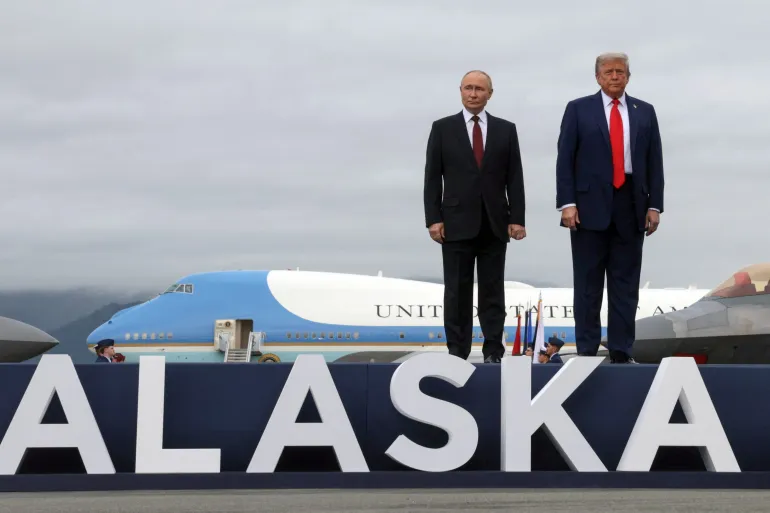
The August 15, 2025, summit in Anchorage, Alaska, at Joint Base Elmendorf–Richardson marked a significant moment in the Trump-Putin relationship, focusing primarily on the Russo-Ukrainian War. Billed as a vital step toward peace, the meeting ended without a concrete deal, but both leaders offered vague statements about progress. Trump backed a plan to cede land for peace in Ukraine, splitting from Ukraine and European allies, while aligning closer to Putin’s positions.
Key takeaways include Trump’s pivot from demanding an immediate ceasefire, potential discussions on nuclear arms, and revelations from leaked documents left on a hotel printer, detailing summit negotiations. European leaders expressed mixed relief, viewing the outcome as avoiding immediate concessions but highlighting ongoing risks. This summit underscores Trump’s personal diplomacy style, echoing past meetings like Helsinki, but in a heightened geopolitical context.
A War of Words: A Comprehensive Collection of Quotes
Trump on Putin: A Pattern of Praise and Deflection
Direct quotes from Trump about Putin reveal consistent admiration mixed with recent criticism. Below is a table summarizing key quotes over the years:
| Year | Quote | Context |
| 2015 | “He’s a strong leader.” | Contrasting with U.S. leadership. |
| 2016 | “I think I’d get along very well with Vladimir Putin.” | Emphasizing personal rapport. |
| 2022 | “This is genius.” | On Putin’s Ukraine tactics. |
| 2025 | “He’s gone absolutely CRAZY!” | Criticizing invasion escalation. |
| 2025 | “We have a good relationship, but it only matters if we get things done.” | Post-Alaska summit reflection. |
Trump often deflects blame, claiming the war wouldn’t have started under him, a narrative echoed in recent X posts.
Putin on Trump: Calculated Compliments and Strategic Silence
Direct quotes from Putin about Trump show strategic praise. Here’s a table of notable statements:
| Year | Quote | Context |
| 2015 | “Trump is bright and talented.” | Early endorsement. |
| 2024 | “Trump is an intelligent and experienced person.” | Praising post-election. |
| 2024 | “Ready for dialogue.” | Signaling openness. |
| 2025 | “The war would never have started if Trump won 2020.” | Aligning narratives. |
| 2025 | “We can reach a deal on nuclear arms.” | Post-summit proposal. |
Putin’s comments often advance Russian narratives, avoiding direct confrontation, as seen in recent media coverage.
Rumors, Allegations, and Lingering Questions
The Steele Dossier: Separating Fact from Fiction
The 2016 Steele Dossier, compiled by former MI6 agent Christopher Steele, alleged Trump-Russia collusion and kompromat, including salacious claims. Largely discredited, it relied on unverified sources, leading to FBI scrutiny and lawsuits. Trump sued Steele in 2024, but the case was dismissed. While fiction in parts, it highlighted real concerns about Russian influence, which resurface in 2025 amid new summit speculations.
Financial Ties and Allegations of Indebtedness
Persistent rumors suggest Trump’s businesses benefited from Russian money laundering. After U.S. banks shunned him, Russian oligarchs invested via intermediaries. Deutsche Bank, with Russian ties, loaned Trump hundreds of millions. These allegations imply leverage, though unproven. In his second term, such ties are scrutinized anew, especially with deals potentially benefiting from improved US-Russia relations.
Media Perspectives: American and Russian Views on the Trump-Putin Relationship
American Media: Skepticism and Concerns Over Alignment
American media outlets have largely viewed the Trump-Putin dynamic with skepticism, emphasizing potential risks to U.S. interests. Coverage of the 2025 Alaska summit highlights Trump’s pivot from demanding a Ukraine ceasefire to aligning with Putin’s positions, seen as a concession that could embolden Russia. Outlets like NPR and The Washington Post criticize Trump’s faith in personal diplomacy, noting a lack of concrete outcomes and persistent obstacles. Pew Research indicates majority American lack of confidence in Trump’s Russia-Ukraine decisions. Analysts argue Trump’s approach disrupts alliances, with The Hill suggesting hidden goals like breaking China-Russia ties. Overall, U.S. media portrays the relationship as chaotic and potentially damaging.
Russian Media: Victory and Strategic Opportunity
Russian media, often state aligned, frames the Trump-Putin relationship as a victory for Moscow, emphasizing Trump’s adoption of Putin’s Ukraine narrative. Coverage celebrates the Alaska summit as ending Russia’s isolation, with Putin gaining legitimacy from the meeting. Outlets like Kremlin.ru highlight mutual praise and proposals for nuclear deals, portraying Trump as a pragmatic partner. Fox News echoes concessions from Russia, but broader analysis sees it as advancing Putin’s goals without major compromises. This perspective contrasts American views, viewing the liaison as strengthening Russia’s global position.
Putin’s Relationships with Other US Presidents
To contextualize the Trump-Putin dynamic, it’s essential to examine Putin’s interactions with previous US presidents. Over 25 years, Putin has engaged with five US leaders Bill Clinton, George W. Bush, Barack Obama, Donald Trump, and Joe Biden each relationship reflecting shifting geopolitical priorities, from post-Cold War optimism to escalating tensions over Ukraine and global influence. These encounters, totaling nearly 50 meetings, highlight Putin’s consistent strategy of personal diplomacy, flattery, and strategic maneuvering. Below is a comparative analysis, including a table summarizing key meetings and outcomes.
Bill Clinton: Early Optimism and Post-Cold War Hopes
Putin’s first interactions with a US president occurred with Bill Clinton in 2000, shortly after Putin’s inauguration. Their meetings, including a Moscow summit, focused on arms control, the Balkans, and Russia’s North Caucasus conflicts. Clinton described the encounters as congenial, praising Putin’s potential to build prosperity while safeguarding freedom. Putin reportedly asked Clinton about Russia joining NATO, receiving an initial positive response that was later retracted, illustrating early Western ambivalence toward Russia.
The relationship blended businesslike discussions with informal elements, such as a Kremlin tour and jazz concert, reflecting post-Cold War hopes for cooperation. However, Clinton later criticized Putin’s Ukraine invasion as unrelated to NATO expansion, which began under his administration.
George W. Bush: Warm Beginnings and Growing Strains
Putin and George W. Bush met 28 times, the most with any US president, starting with a 2001 Slovenia summit where Bush famously claimed to have seen Putin’s “soul.” Early cooperation peaked after 9/11, with Putin offering condolences and logistical support for US operations in Afghanistan. They signed the 2002 Strategic Offensive Reductions Treaty, reducing nuclear arsenals.
Personal rapport included fishing trips at Bush’s Maine home, but tensions arose over the Iraq invasion (opposed by Russia) and Russia’s 2008 Georgia conflict. Bush later recounted heated exchanges, calling Putin “cold-blooded,” yet acknowledged his decency in resolving conflicts.
Barack Obama: Frosty Relations and Sanctions Era
Putin’s relationship with Barack Obama was marked by 9 meetings, characterized by mutual disdain and escalating conflicts. Initial “reset” efforts under Medvedev faltered upon Putin’s 2012 return, leading to canceled summits after Russia granted asylum to Edward Snowden. Tensions peaked over Russia’s 2014 Crimea annexation and Syria intervention, prompting US sanctions.
Body language in photos, like their 2013 G8 stare-down, reflected frustration. Obama called Russia a “regional power,” while Putin mocked US foreign policy confusion. Their final 2016 meeting focused on Ukraine and Syria, with no breakthroughs.
Joe Biden: Tense Encounters Amid Ukraine Crisis
Putin and Joe Biden met only once in person during Biden’s presidency, at the 2021 Geneva summit, amid Russian troop buildups near Ukraine and cyberattack accusations. Discussions emphasized mutual respect but highlighted divergences on human rights and Ukraine. Biden later called Putin a “killer,” straining ties further.
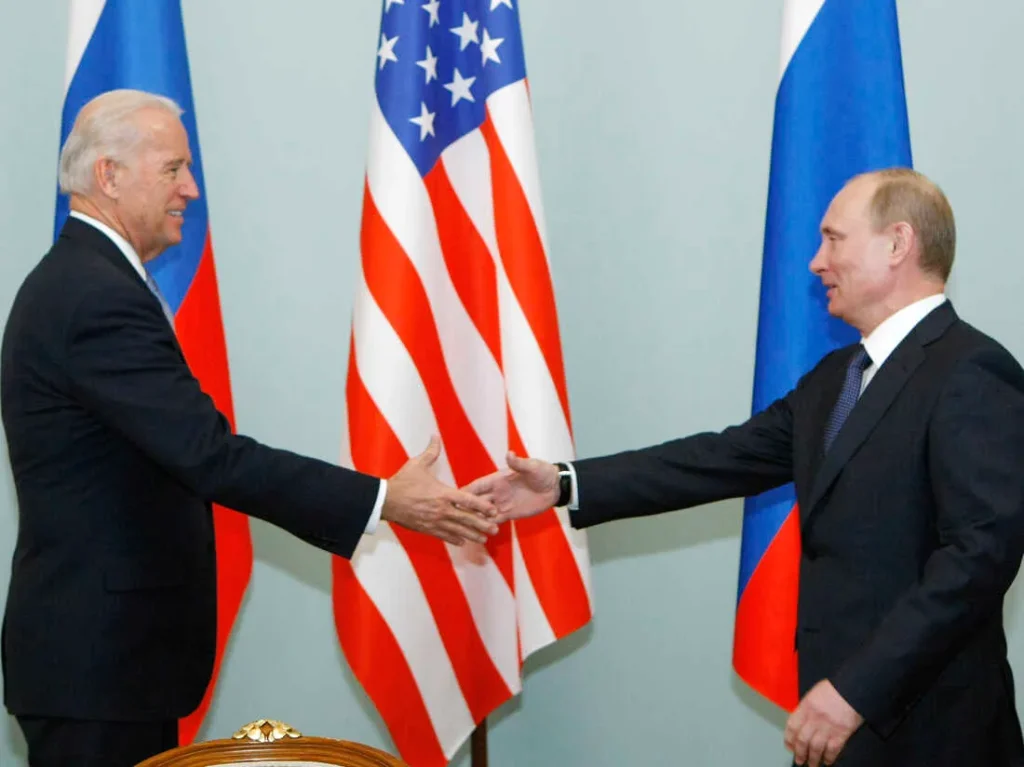
As vice president, Biden met Putin in 2011, but relations remained frosty, with Biden criticizing Russian aggression. Post-2022 invasion, Biden’s administration imposed heavy sanctions, contrasting Trump’s approach.
Comparative Table: Key Meetings and Outcomes
| President | Number of Meetings | Key Outcomes | Tone Evolution |
| Bill Clinton | Several | Arms control talks, NATO discussion; informal dinners and concerts. | Optimistic to cautious. |
| George W. Bush | 28 | Post-9/11 cooperation, nuclear treaty; strains over Iraq and Georgia. | Warm to tense. |
| Barack Obama | 9 | Sanctions over Crimea/Syria; election interference allegations. | Hopeful reset to frosty. |
| Joe Biden | 1 (as president) | Ukraine border tensions, cyberattacks; no major breakthroughs. | Consistently adversarial. |
This overview underscores how Putin’s US relations have deteriorated from collaborative beginnings to confrontational stances, with Trump’s rapport standing out as unusually personal.
Frequently Asked Questions (FAQ)
What is the current status of the Trump-Putin relationship in 2025?
As of August 2025, the relationship remains personal and pragmatic, marked by the Alaska summit where no deal was reached but mutual praise continued. Trump has shifted from ceasefire demands, aligning closer to Putin’s views on Ukraine.
How has the Ukraine war been affected by their interactions?
Trump’s claims of quick resolution have not materialized; instead, his pivot suggests potential territorial concessions, risking prolonged conflict.
Are there proven financial ties between Trump and Russia?
Allegations persist, but no definitive proof of indebtedness exists; historical investments fuel speculation.
What implications does a second Trump term have for NATO?
Trump’s criticism could weaken NATO, aligning with Putin’s interests and straining alliances.
Has Russian interference in U.S. elections been resolved?
No, lingering questions from 2016 and Mueller report continue to shadow relations.
Conclusion: The Enduring Impact of a Consequential Relationship
A Legacy of Disruption: How the Putin-Trump Dynamic Reshaped Global Politics
The Trump Putin relationship disrupted norms, from election interference to NATO skepticism, eroding trust in democratic institutions and alliances. It shifted US policy toward isolationism, benefiting Russian strategic goals, as evidenced by recent summit dynamics.
Looking Ahead: The Stakes of a Potential Second Trump Presidency
A second Trump term could realign US-Russia relations, potentially ending the Ukraine war through concessions but risking long-term instability. What is the relationship between Donald Trump and Vladimir Putin? It’s a blend of personal affinity and geopolitical maneuvering, with high stakes for global order, especially post-2025 developments.
Sources
- FBI: RUSSIAN INTERFERENCE IN 2016 U.S. ELECTIONS
- Justice.gov: Report on the Investigation into Russian Interference
- BBC: Trump sides with Russia against FBI at Helsinki summit
- NYT: Trump Backs Plan to Cede Land for Peace in Ukraine
- Washington Post: Limits of Trump’s diplomacy clear as Moscow balks at Ukraine plan
- CNN: August 15, 2025: Trump-Putin summit ends without concrete deal
- Brookings: How is Trump’s reelection likely to affect US foreign policy?


