
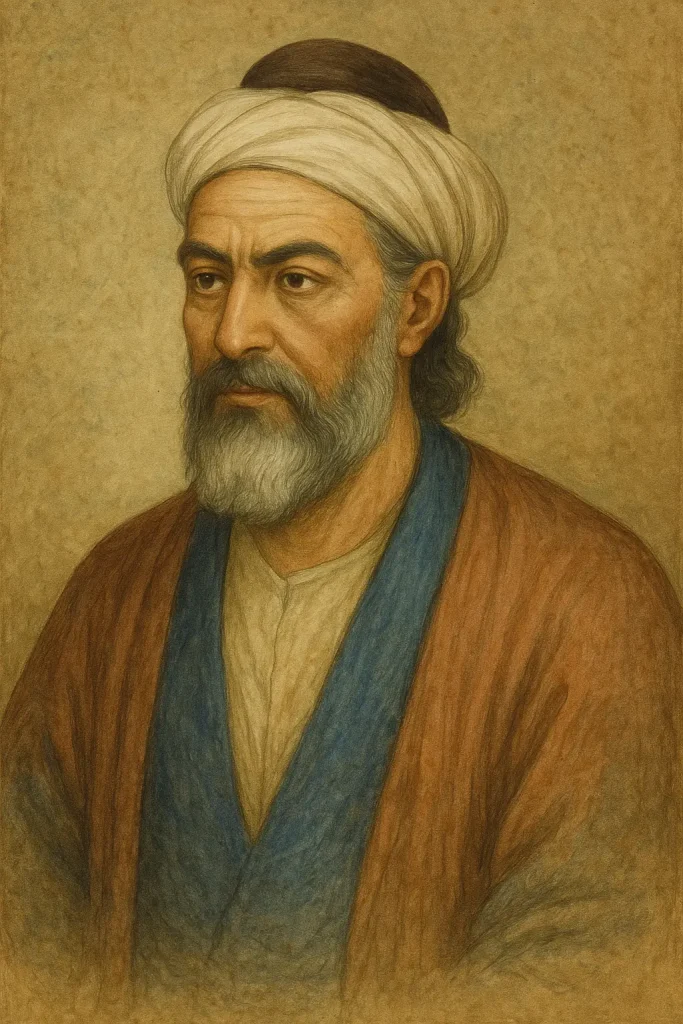
Who Was Hafez Shirazi?
Hafez (Khvāja Shams al-Din Mohammad Hafez-e Shirazi), born between 1315 and 1317 CE in the city of Shiraz, Iran, is celebrated as one of the greatest lyric poets in Persian literature. He is renowned for perfecting the art of the ghazal a poetic form that blends beauty of language with depth of meaning. His verses masterfully combine love, mysticism, social criticism, and philosophical reflection, all expressed in highly musical and metaphorical language. The Divan of Hafez, a collection of his poetry, has become a cornerstone of Persian culture and remains widely read in Iran and beyond.
Meaning and Significance of the Name “Hafez”
The name “Hafez” literally means “memorizer” or “guardian” in Arabic, referring to someone who has committed the entire Quran to memory. Hafez earned this title through his mastery of Quranic recitation, which is evident in the dense network of Quranic references woven into his poetry. This name reflects not only his religious scholarship but also the spiritual and moral undertones present throughout his work.
How He Came to Be Known by This Title
Historical sources and early biographical accounts, including the famous Golandām preface to his Divan, confirm that Hafez had memorized the Quran at a young age. His ability to integrate Quranic phrases and themes into his poetry in subtle and creative ways earned him admiration from both scholars and the general public. This skill set him apart as a poet whose mastery of sacred text equaled his literary genius.
Significance in Persian and World Literature
Within Persian literature, Hafez holds a position alongside luminaries such as Ferdowsi, Saadi, and Rumi. His poetry is considered the pinnacle of the ghazal form, influencing countless poets in the Persian-speaking world and beyond. Internationally, Hafez’s works have been translated into many languages, inspiring great writers like Johann Wolfgang von Goethe, whose West–Eastern Divan was directly influenced by Hafez’s lyrical style and themes. Today, Hafez’s poetry continues to captivate readers across cultures, transcending linguistic and religious boundaries.
Life and Times of Hafez
Early Life in Shiraz
Hafez was born and raised in Shiraz, a city known for its cultural vibrancy and strong literary tradition. He received a traditional education, studying Arabic grammar, rhetoric, Quranic exegesis, and Islamic jurisprudence. His talent for poetry emerged early, and his knowledge of religious texts and classical literature shaped the depth and richness of his verse.
Historical Context: 14th Century Persia
The 14th century in Persia was marked by political upheaval, shifting dynasties, and alternating periods of strict religious enforcement and cultural flourishing. Shiraz, under the rule of the Injuids and later the Muzaffarids, experienced both oppressive governance and enlightened patronage. Hafez lived through the reign of Amir Mobarez al-Din, known for his strict moral code, and Shah Shuja, a ruler who supported the arts. These changing political climates are reflected in Hafez’s poetry, which often blends praise, satire, and calls for spiritual freedom.
Myths and Facts About His Personal Life
Legends about Hafez’s life abound, including stories of his youthful love for “Shākh-e Nabāt” and miraculous encounters with saints. While these accounts are part of Persian cultural memory, historical evidence for them is limited. What is clear is that Hafez used the language of love both earthly and divine as a central theme in his work, allowing readers to interpret his verses on multiple levels.
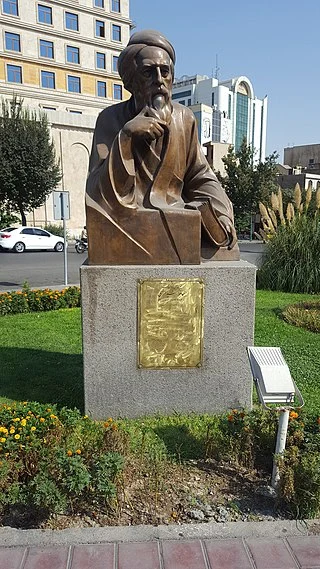
Was Hafez Shia or Sunni?
Religious Landscape of His Time
In 14th-century Shiraz, both Sunni and Shia communities coexisted, with strong Sufi influences bridging sectarian divides. The city was home to important Shia shrines, most notably Shah Cheragh, the resting place of Ahmad ibn Musa, a son of Imam Musa alKazim. This presence made Shiraz a significant center for Twelver Shia devotion.
Evidence Supporting Hafez’s Shia Identity
Several pieces of historical and textual evidence suggest that Hafez leaned towards Shia Islam:
- References to the Ahl al-Bayt His poetry contains numerous respectful mentions and allusions to the family of the Prophet Muhammad, particularly Imam Ali, often using honorific titles associated with Shia devotion.
- Local Religious Environment Growing up in Shiraz, Hafez was surrounded by Shia rituals and pilgrimage culture centered on Shah Cheragh.
- Reception in Shia Tradition From the Safavid era onward, Shia communities have embraced Hafez as one of their own, incorporating his verses into religious gatherings and mourning ceremonies.
Inclusive Spiritual Appeal
While there is evidence for a Shia identity, Hafez’s poetry transcends sectarian boundaries. His verses speak to universal spiritual themes, making him a figure respected by both Sunni and Shia audiences, as well as non Muslims interested in Sufi mysticism.
Timeline of Hafez’s Life and Times
| Year (CE) | Location | Event | Significance |
| 1315–1317 | Shiraz | Birth of Khvāja Shams al-Din Mohammad Hafez | Marks the beginning of the life of one of Persia’s greatest poets |
| 1330s–1340s | Shiraz | Memorization of the Quran; formal education in Arabic and Islamic sciences | Lays the foundation for his poetic and spiritual depth |
| Mid-14th c. | Shiraz | Political transition from Injuids to Muzaffarids | Influences his satirical and political commentary |
| 1360s–1380s | Shiraz | Composes most of his celebrated ghazals | Gains fame across Persia |
| Late 1380s | Shiraz | Era of instability under threat from Timur | Themes of fate and impermanence appear in his work |
| 1389–1390 | Shiraz | Death of Hafez; burial at current Hafezieh site | Begins centuries-long tradition of pilgrimage to his tomb |
Hafez’s Poetry: Themes, Styles, and Symbolism
Main Themes in Hafez’s Poetry
Hafez’s poetry operates on multiple levels, inviting interpretations that range from the literal to the deeply mystical. His most prominent themes include:
- Love – Often presented in the form of romantic longing, love in Hafez’s poetry can signify both earthly passion and divine yearning. The beloved may be a real person, an allegorical figure, or God Himself.
- Wine and the Tavern – Wine serves as a powerful symbol of spiritual intoxication, liberation from rigid dogma, and the joy of divine union. The tavern becomes a place of truth, where pretenses are stripped away.
- Mysticism and Sufism – Hafez’s ghazals are steeped in Sufi concepts such as fana (self-annihilation in God) and baqa (spiritual subsistence), blending lyrical beauty with metaphysical depth.
- Critique of Hypocrisy – Through satire and irony, Hafez criticizes religious pretenders, moralists, and corrupt leaders who exploit faith for personal gain.
- Fate and Impermanence – Many verses dwell on the transient nature of life, urging readers to embrace beauty, joy, and the present moment.
Poetic Devices, Metaphor, and Allegory
Hafez’s work is celebrated for its dense and multi-layered imagery:
- Metaphor – The beloved, the wine, the cupbearer, and the tavern each carry symbolic meanings that shift depending on context.
- Ihām (Double Entendre) – Words are deliberately chosen to hold multiple meanings, allowing one poem to be read in different ways.
- Quranic Allusion – Verses echo Quranic phrases and imagery, reinforcing his deep knowledge of Islamic scripture.
- Symbolic Contrasts – Light vs. darkness, garden vs. desert, rose vs. thorn each pairing enriches the spiritual and emotional texture of his ghazals.
The Unique Structure of His Ghazals
Hafez perfected the ghazal form, traditionally consisting of five to fifteen couplets, each thematically autonomous yet bound together through rhyme and refrain. This structure allows the poet to weave together multiple ideas love, criticism, mystical insight in a single poem, making each ghazal a compact universe of meaning.
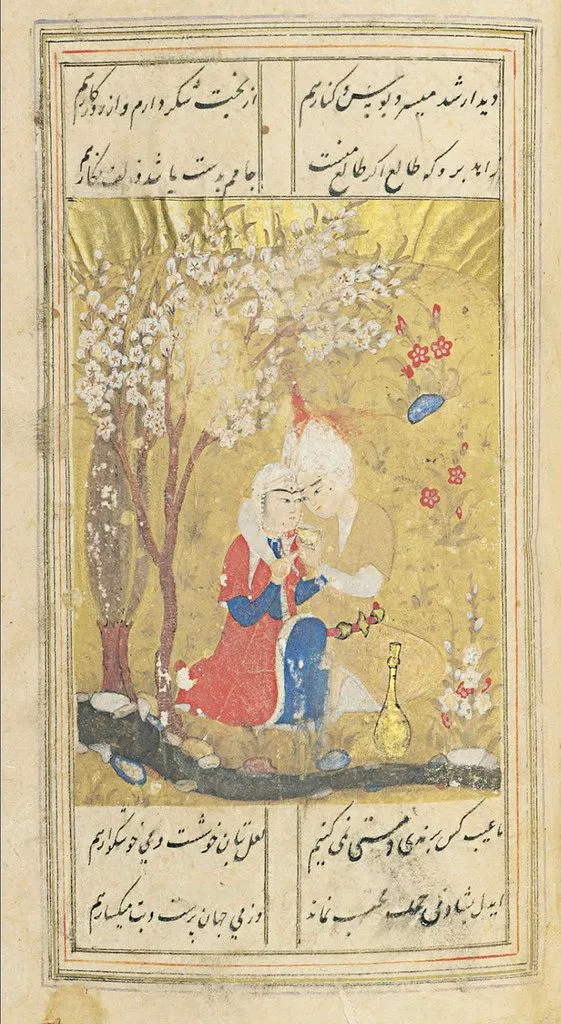
Most Famous Poems by Hafez Shirazi
Hafez’s ghazals are windows into a world where beauty, love, and mystery intertwine. Each couplet stands as both a fragment and a whole self-contained yet connected to the infinite. His words flow between the earthly and the divine, allowing readers to taste the wine of joy and the bitterness of longing in the same breath. Below are some of his most celebrated verses, paired with flowing English translations that preserve both the meaning and the music of the original.
الا یا ایها الساقی ادر کاسا و ناولها
که عشق آسان نمود اول ولی افتاد مشکلها
O beautiful wine-bearer, bring forth the cup and put it to my lips;
Path of love seemed easy at first, what came was many hardships.
جز این قدر نتوان گفت در جمال تو عیب
که وضع مهر و وفا نیست روی زیبا را
The only criticism that I can have of you
For kindness, the beauties charge extortionate fees.
هر که شد محرم دل در حرم یار بماند
وان که این کار ندانست در انکار بماند
Whoever was intimate with his heart, his love defined
And he who was not, in his doubt was left behind.
حافظا علم و ادب ورز که در مجلس شاه
هر که را نیست ادب لایق صحبت نبود
Hafiz, through virtue and wisdom wade
Else hold your tongue and remain afraid
Hidden Meanings Behind His Most Celebrated Verses
Many of Hafez’s most famous poems work on dual registers the romantic can be mystical, the critique of a preacher can also be a critique of the self. This ambiguity is central to his enduring appeal, allowing readers from different backgrounds and beliefs to find personal meaning in his words.
Table: Key Themes and Symbols in Hafez’s Poetry
| Theme/Symbol | Literal Meaning | Mystical/Allegorical Meaning |
| The Beloved | A person admired for beauty | God, the Divine Presence |
| Wine | Alcoholic drink | Spiritual intoxication, divine love |
| Tavern | Place to drink | Realm of truth, away from hypocrisy |
| Cupbearer | Server of wine | Spiritual guide, source of grace |
| Garden/Rose | Nature and beauty | Paradise, divine perfection |
| Thorn | Pain, hardship | Trials of the spiritual path |
Hafez and Other Great Persian Poets
Comparison with Saadi Shirazi
Both Hafez and Saadi were born in Shiraz, yet their poetic missions and styles differ profoundly. Saadi, born about a century earlier, is best known for his moral and didactic works, particularly Bustan (The Orchard) and Gulistan (The Rose Garden), which blend prose and verse to convey ethical lessons. His style is direct, instructive, and grounded in practical wisdom.
Hafez, by contrast, specialized in the ghazal, focusing on condensed lyric expression filled with ambiguity and layered meaning. Where Saadi offers guidance through clarity, Hafez invites contemplation through mystery. Saadi’s moralism appeals to the intellect; Hafez’s lyrical richness captivates the heart and imagination.
Comparison with Rumi and Other Sufi Poets
Rumi’s poetry is intensely mystical, often centered on ecstatic union with God, expressed in long narrative or didactic forms like the Masnavi. Hafez shares Rumi’s mystical leanings but wraps them in the brevity and elegance of the ghazal. Unlike Rumi’s expansive storytelling, Hafez condenses entire spiritual journeys into a few lines, allowing multiple interpretations.
Other notable Persian Sufi poets, such as Attar and Sana’i, often maintain a more overtly didactic or allegorical style. Hafez, while equally profound, conceals his spiritual commentary in playful, romantic, and ironic imagery, making his verse accessible to both mystics and casual readers.
Differences in Themes, Styles, and Philosophies
- Themes: Saadi emphasizes moral conduct; Rumi emphasizes mystical ecstasy; Hafez blends love, mysticism, and satire.
- Style: Saadi’s prose-verse hybrids are clear and instructive; Rumi’s masnavi form is narrative and expansive; Hafez’s ghazals are concise and multilayered.
- Philosophy: Saadi focuses on ethical behavior in society; Rumi on transcendence through love; Hafez on the rejection of hypocrisy and the embrace of joy, beauty, and spiritual freedom.
Lasting Influence and Popularity
While Saadi’s works are still taught for their moral and linguistic value, and Rumi has enjoyed a surge of global popularity for his mystical insights, Hafez maintains a unique position in Persian culture. His Divan is consulted not only for literary enjoyment but also for Fal-e Hafez, a form of bibliomancy practiced in Iranian households. His lines are quoted in everyday speech, political commentary, and artistic expression. In terms of cultural penetration, few poets Persian or otherwise rival Hafez’s ubiquity.
The Divan of HafezStructure, Content, and Compilation
The Divan of Hafez is a collection of his poetry, primarily consisting of ghazals, with a smaller number of qasidas (odes), masnavis (narrative poems), and rubaiyat (quatrains). The number of ghazals varies among manuscripts, typically ranging from 400 to 500, due to differences in compilation by early editors.
The arrangement is generally not chronological; instead, poems are grouped by rhyme and refrain. This means each reading of the Divan can feel like a new journey, with no fixed starting or ending point. The fluidity reflects the oral tradition of poetry in Persian culture, where verses were often recited from memory in gatherings.
Famous Manuscripts and Modern Editions
Some of the most important manuscripts of the Divan date back to the 15th century, not long after Hafez’s death. These early editions are prized for their calligraphy and illumination, reflecting the reverence in which Hafez’s work was held. In modern times, critical editions have been produced by scholars such as Qazvini and Ghani, attempting to restore the most authentic text possible from the diverse manuscript tradition.
Famous Quotes by Hafez Shirazi
Top Hafez Quotes with English Translation
- I wish I could show you when you are lonely or in darkness the astonishing light of your own being.”
- “The heart is like a garden, and love is its sunshine.”
- “Come, let’s get drunk, even if it is our ruin: For sometimes under ruins one finds treasure.”
- “Your heart and my heart are very, very old friends.”
- “There is no faith in the smile of the rose.”
Analysis and Context Behind the Words
Hafez’s quotes often carry a surface charm while concealing profound philosophical messages. The “Beloved” may be God, the wind may represent divine grace, and drunkenness may symbolize liberation from the constraints of the ego. This duality is the hallmark of his artistry, allowing each reader to find a personal truth within the same lines.
Hafez’s Influence on World Literature and Culture
His Legacy in Iran and Around the World
In Iran, Hafez is not just a poet but a cultural institution. His verses are woven into everyday speech, music, and visual arts. Schools teach his poetry as part of the national curriculum, and families consult his Divan during Nowruz (Persian New Year) and other special occasions through the tradition of Fal-e Hafez.
Internationally, Hafez’s poetry has been translated into dozens of languages, inspiring poets, musicians, and philosophers. His themes of love, spirituality, and human freedom resonate universally, allowing him to transcend linguistic and cultural boundaries. In the West, his mystical vision has found a place alongside that of Rumi, attracting readers seeking depth, beauty, and timeless wisdom.
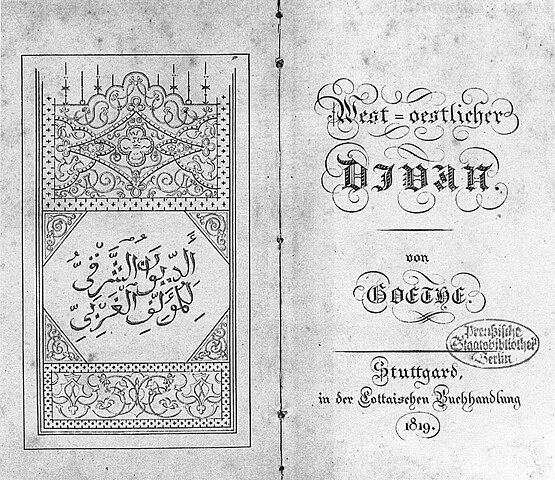
Hafez and Goethe: The West–Eastern Divan
One of the most famous admirers of Hafez outside the Persian-speaking world was Johann Wolfgang von Goethe. In the early 19th century, Goethe encountered Hafez’s work in translation and was captivated by the blend of sensuality, spirituality, and irony. This fascination led to Goethe’s creation of the West–Eastern Divan, a collection of poems inspired by the spirit and style of Hafez’s ghazals.
Goethe saw Hafez as a kindred spirit free from dogma, embracing the beauty of life, and unafraid to challenge hypocrisy. The West–Eastern Divan became one of the first major works to bridge Eastern and Western literary traditions, cementing Hafez’s role as a global literary figure.
Hafez’s Impact on Art, Music, and Pop Culture
Hafez’s influence extends beyond literature:
- Music: Persian classical compositions often draw from his verses, with master vocalists like Mohammad-Reza Shajarian bringing his ghazals to life in song.
- Visual Arts: Persian miniature paintings frequently illustrate scenes from his poetry, blending calligraphy with imagery.
- Cinema and Theatre: Iranian films and stage productions sometimes use Hafez’s lines as narrative or emotional anchors.
- Pop Culture: Quotes from Hafez appear in modern novels, advertisements, and even on social media, showing the adaptability of his words to contemporary contexts.
Hafez and Sufism
Mystical Interpretations of His Poetry
Hafez is often read as a Sufi poet, and many of his ghazals align with core Sufi concepts such as divine love, unity with God, and the rejection of superficial religiosity. His use of wine, taverns, and the figure of the cupbearer are classic Sufi metaphors representing spiritual ecstasy and the dissolution of the ego.
Sufi Philosophy in His Verses
Key Sufi ideas present in Hafez’s poetry include:
- Fana (annihilation of the self in God)
- Baqa (abiding in God after annihilation)
- Tawhid (the oneness of God)
- Ishq (divine love as the ultimate goal)
Hafez’s genius lies in the way he embeds these mystical ideas within verses that can also be read as romantic or satirical. This layered meaning allows readers from different backgrounds whether deeply religious or entirely secular to find resonance in his words.
The Tradition of Fal-e Hafez
How Iranians Use Hafez for Divination
Fal-e Hafez is a centuries old practice in which people seek guidance by randomly opening Hafez’s Divan and interpreting the poem on that page. It is particularly popular during Nowruz, weddings, and other significant life events.
Typical steps for Fal-e Hafez:
- Set the intention – The person silently asks a question or focuses on a situation.
- Invoke Hafez’s spirit – Often through a short prayer or recitation.
- Open the Divan randomly – The chosen ghazal is read aloud.
- Interpret the poem – Meanings are drawn based on the symbols, tone, and imagery.
Cultural Significance
Fal-e Hafez is not treated as fortune-telling in the Western sense but as a form of spiritual reflection and connection to cultural heritage. The belief is that Hafez’s inspired words will reveal hidden truths or offer comfort, no matter the situation.
Visiting the Tomb of Hafez in Shiraz
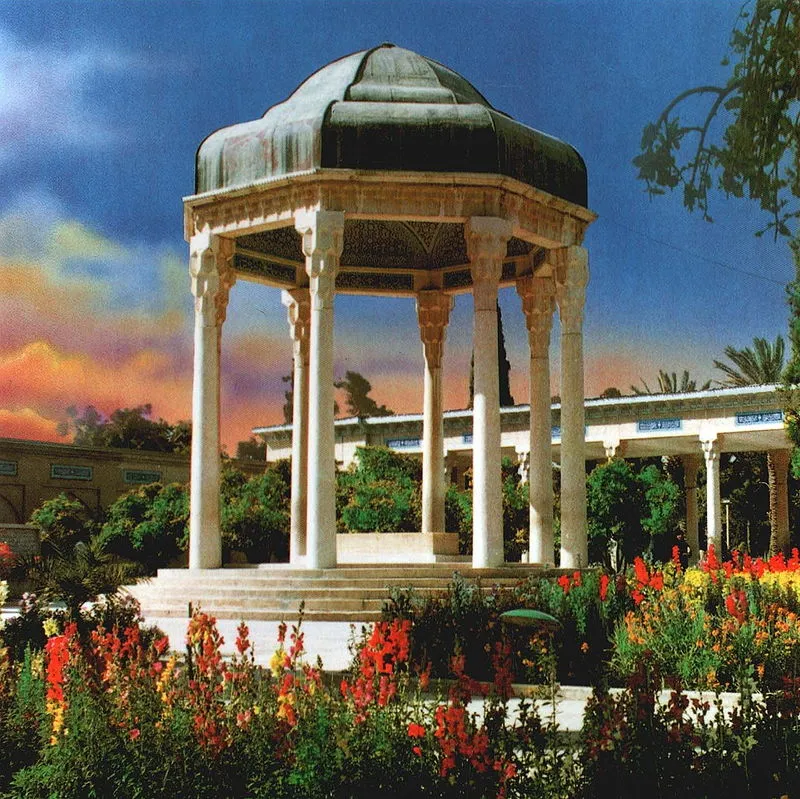
Visiting the Tomb of Hafez in Shiraz, Iran
The Tomb of Hafez, known locally as Hafezieh, is one of the most iconic cultural landmarks in Iran. Located in the northern part of Shiraz, it draws thousands of visitors each year poetry lovers, spiritual seekers, and curious travelers alike.
History of Hafezieh
Hafez’s tomb has stood as a place of literary and spiritual pilgrimage for centuries. Earlier shrines honoring the poet existed, but the current structure dates mainly from the 20th century, designed by the French architect André Godard in 1935. His design harmonizes traditional Persian aesthetics with early modern elegance, creating a timeless tribute to the poet. The tomb complex includes beautifully landscaped gardens, reflecting pools, and open pavilions that make it as much a space for leisure and contemplation as for honoring a literary giant.
Atmosphere, Architecture, and Tourist Experience
Stepping into Hafezieh is like entering a living poem. The scent of orange blossoms fills the air, fountains trickle softly, and the pavilion’s stone columns frame the sky above. The poet’s alabaster tombstone is engraved with verses from his Divan, ensuring that Hafez’s words remain physically and spiritually present. Visitors often gather to recite his poetry aloud, take part in the tradition of Fal-e Hafez (opening his book at random to seek guidance), or simply enjoy the peaceful setting.
At night, the pavilion is softly illuminated, creating a serene and almost mystical atmosphere. For many Iranians and tourists alike, a visit here is more than sightseeing it’s a deeply moving experience that connects them to the enduring spirit of Hafez.
If you are planning to visit Shiraz, it’s worth noting that the city is widely regarded as one of the most welcoming destinations in Iran. To understand more about the warmth and openness of the local people, you might enjoy this article: Are Iranians Friendly to Tourists?.
Whether you come to Hafezieh as a literature lover, a history enthusiast, or a casual traveler, standing before the Tomb of Hafez offers a rare opportunity to connect with centuries of Persian poetry, culture, and hospitality all in one place.
Hafez’s Legacy Today
Why He Remains Popular in Modern Times
Centuries after his death, Hafez remains one of the most beloved poets in Iran and across the Persian-speaking world. His words have not faded into history; they continue to shape the cultural and spiritual lives of millions. Hafez’s unique ability to address universal themes love, freedom, justice, and the divine makes his poetry timeless. Modern readers turn to him for comfort in hardship, joy in celebration, and wisdom in decision making.
His Divan is still printed in countless editions, both scholarly and popular, and is available in digital formats and mobile applications. Social media platforms are filled with posts quoting his verses, proving that his voice resonates just as strongly in the digital age as it did in medieval Shiraz.
Global Celebrations and Literary Festivals
Hafez’s influence is celebrated annually on Hafez Day in Iran, observed on October 12. On this day, literary events, poetry readings, and academic conferences are held in Shiraz and other cities. Scholars, artists, and fans gather at Hafezieh to honor his memory.
Internationally, Persian cultural centers and universities host Hafez-themed exhibitions, translating and performing his works for audiences unfamiliar with the Persian language. These global celebrations affirm his status as a poet whose message crosses borders and cultures.
Best English Translations & Recommended Books
Most Accurate and Popular Versions
For English readers, several translations of Hafez’s poetry capture varying degrees of accuracy and poetic beauty:
- Hafez and the Religion of Love in Classical Persian Poetry by Leonard Lewisohn Offers a scholarly yet accessible exploration of Hafez’s mystical imagery.
- The Divan of Hafez translated by H. Wilberforce Clarke – A classic 19th-century translation with extensive notes, though the language is archaic.
- The Poems of Hafez translated by Peter Avery and John Heath-Stubbs – Balances fidelity to the original with lyrical readability.
- Faces of Love: Hafez and the Poets of Shiraz translated by Dick Davis – Includes selected works with insightful commentary.
Guides for Reading and Understanding Hafez
For those new to Persian poetry, understanding Hafez’s layers of meaning requires familiarity with Sufi concepts, Persian idioms, and classical symbolism. Companion works such as Encyclopaedia Iranica entries, academic essays on Persian mysticism, and commentaries by traditional scholars can deepen appreciation.
Frequently Asked Questions About Hafez Shirazi
Who was Hafez?
Hafez was a 14th-century Persian poet from Shiraz, renowned for his mastery of the ghazal form and his blending of love, mysticism, and satire.
What does “Hafez” mean?
“Hafez” means “memorizer” of the Quran, reflecting his accomplishment in committing the entire text to memory.
Was Hafez Shia or Sunni?
While scholars debate this point, there is significant evidence of Shi‘a influence in his life and poetry, including reverence for the Ahl al-Bayt and his upbringing in Shiraz, a city with strong Shia traditions.
What is the Divan of Hafez?
It is the collected works of Hafez, consisting mostly of ghazals, along with some odes, quatrains, and other poetic forms.
Why is Hafez so famous?
His poetry speaks to universal human experiences and offers layers of meaning that allow readers of all backgrounds to find personal truth in his words.
Further Reading and References
- Encyclopaedia Iranica
- Lewisohn, Leonard. Hafez and the Religion of Love in Classical Persian Poetry. I.B. Tauris, 2010.
- Avery, Peter, and Heath-Stubbs, John. The Poems of Hafez. Penguin Classics, 2002.
- Clarke, H. Wilberforce. The Divan of Hafez. 1891.
- Davis, Dick. Faces of Love: Hafez and the Poets of Shiraz. Mage Publishers, 2012.
- https://www.britannica.com/biography/Hafez


