
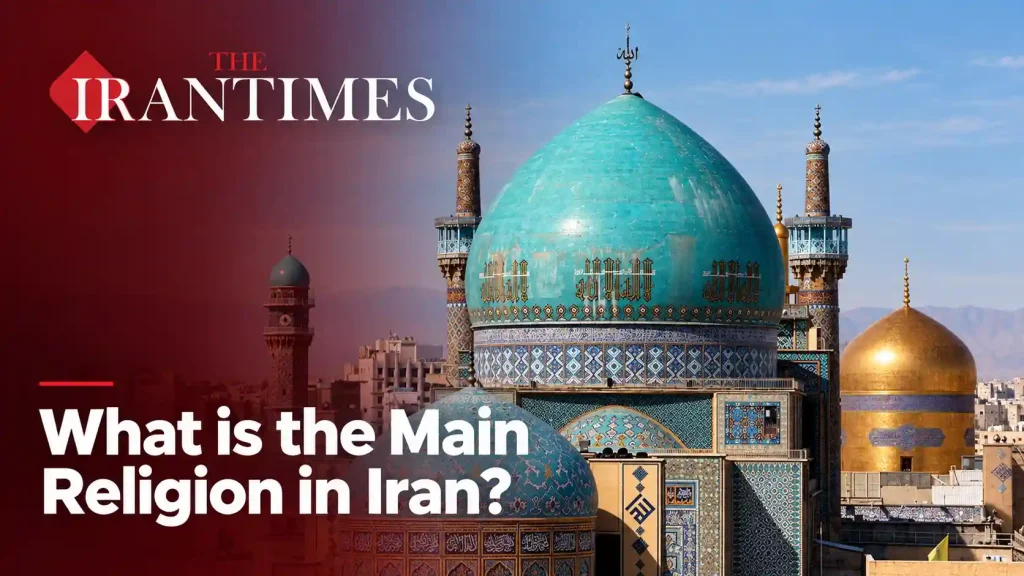
Islam is the main religion in Iran, and Twelver Shia Islam is its predominant tradition and official state religion. Sunni Muslims also have deep roots in the country, alongside Zoroastrians, Jews, Christians and smaller religious communities.
Iran’s present religious identity took centuries to form. The country became Muslim long before it became predominantly Shia. Its Persian language and literary culture developed within Islamic civilization, while retaining memories of an older Iranian world. The Islamic Republic, established in 1979, added a particular form of religious government to that much longer history.
These different histories meet in everyday life. A shrine can be a place of personal devotion, an institution supported by endowments and a focus of urban life. A religious meal can fulfill a vow while renewing obligations between neighbors. Understanding Iran’s main religion means understanding how belief acquires these lasting social forms.
Iran Religion Statistics: Population by Faith
Iran’s 2016 national census recorded Muslims as 99.59% of the population. The table below presents the latest published census breakdown verified for this article, using official figures reproduced by the United Nations Statistics Division.
Table: Iran’s population by religion, 2016 census
| Religion or census category | Recorded population | Share of total population |
|---|---|---|
| Islam | 79,598,054 | 99.589% |
| Christianity | 130,158 | 0.163% |
| Zoroastrianism | 23,109 | 0.029% |
| Judaism | 9,826 | 0.012% |
| Other religions | 40,551 | 0.051% |
| Not specified | 124,572 | 0.156% |
| Total | 79,926,270 | 100.000% |
Source: Statistical Centre of Iran, 2016 Population and Housing Census, reproduced in UNdata: Population by religion, sex and urban/rural residence. National totals, both sexes. Percentages calculated from the recorded population and rounded to three decimal places.
Shia Islam in Iran: beliefs and religious authority
Shia Muslims share with Sunni Muslims belief in one God, Muhammad’s prophethood and the Quran. The distinction concerns religious leadership after Muhammad and the authority of his family, known as the Ahl al-Bayt.
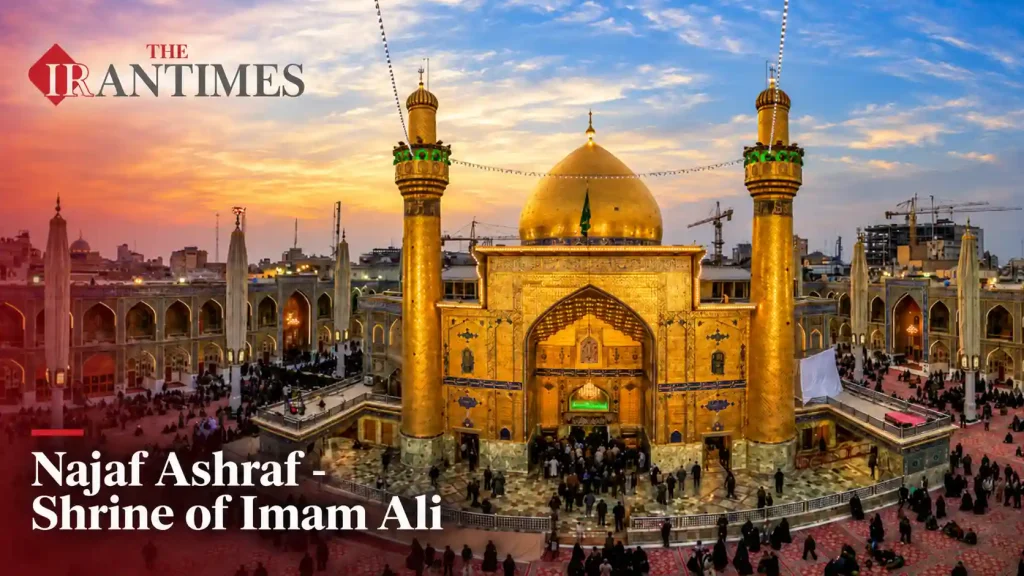
Twelver Shias recognize twelve Imams as authoritative guides to the faith. The first was Ali ibn Abi Talib, Muhammad’s cousin and son-in-law. The subsequent Imams descended from Ali and Muhammad’s daughter Fatima. They are revered as interpreters and guardians of Muhammad’s teaching, not as new prophets. In Twelver belief, the twelfth Imam, Muhammad al-Mahdi, remains in occultation and will return to establish justice.
The term Ja’fari, also used in Iran’s constitution, refers to the school of religious law associated with the sixth Imam, Ja’far al-Sadiq. Twelver describes the succession of Imams; Ja’fari identifies the legal tradition.
Religious scholarship connects this legal tradition to everyday practice. In the prevailing tradition of Shia jurisprudence, believers who cannot derive religious rulings themselves generally follow a qualified jurist. A senior scholar followed in this way is called a marja, a source of religious guidance. His rulings address practical questions about worship, transactions and conduct.
This relationship gives religious learning a continuing role in community life. The work of interpretation connects inherited teachings with the questions people encounter in their households and occupations. Understanding Shia Islam therefore involves both its account of religious leadership and the scholarly traditions through which its teachings are applied.
What was Iran’s religion before Islam?
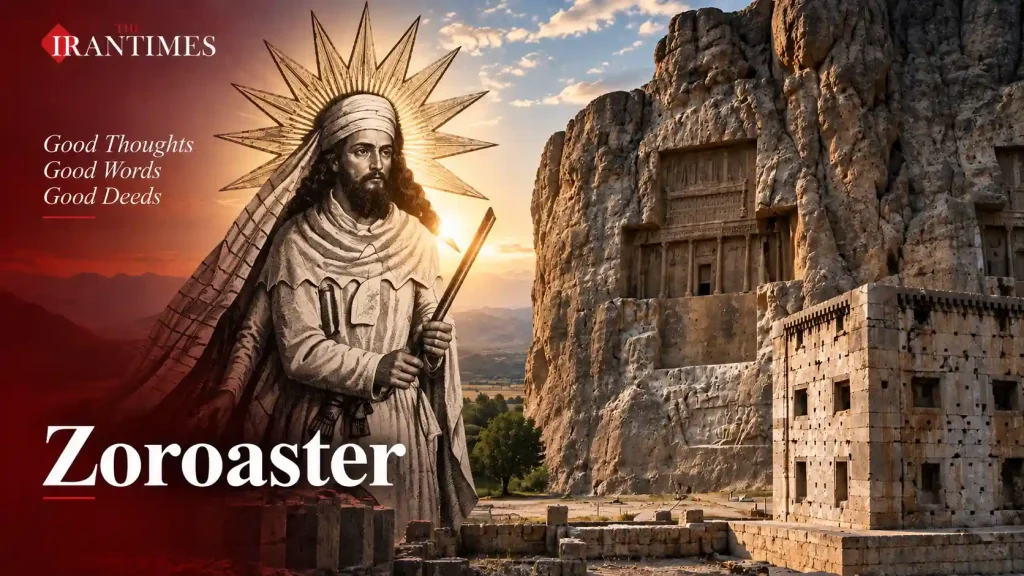
Before Islam, Zoroastrianism occupied a central place in Iranian religious life, particularly under the Sasanian Empire. Its priesthood, sacred fires and religious literature were closely connected to the imperial order. Jewish and Christian communities also existed within that world. Ancient Iranian society already contained different beliefs, institutions and ways of belonging.
How Islam spread in Iran
The Arab Muslim conquests of the seventh century brought Sasanian rule to an end. They did not produce an immediate, uniform conversion of the population. A military victory could transfer a province to a new ruler much faster than it could change household worship, religious learning or the customs surrounding marriage and death.
Conversion proceeded unevenly. Joining the Muslim community could open access to relationships and opportunities under the new order. Preaching, personal conviction and contact with Muslim neighbors also mattered. There was pressure and violence in particular places, but a single explanation based on force cannot account for a transformation that unfolded across generations and regions. Nor can taxation alone explain it: the financial consequences of conversion varied, and becoming Muslim did not necessarily remove every existing obligation.
The cultural outcome is equally significant. Persian reemerged as a major literary language within the Islamic world. It carried remembered Iranian history while becoming a language of religious instruction, mystical poetry and moral reflection. The old and the new were worked into fresh forms of expression.
What religion do Persians follow?
Many Persians follow Shia Islam, but Persian identity does not prescribe a religion. It identifies a language and a cultural inheritance, and in some contexts an ethnicity. Islam identifies a faith shared across many languages and peoples. Their relationship was productive as well as contentious. Iranian writers and scholars helped make Islamic civilization what it became; they were participants in its intellectual history, not simply recipients of a finished foreign culture.
The Shahnameh, Nowruz and Iran’s pre-Islamic monuments remain important parts of this cultural inheritance. Alongside them, Persian religious scholarship and poetry record centuries of engagement with Islamic teachings. Together, these traditions help explain the close relationship between Iranian cultural memory and the country’s Islamic civilization.
Why did Iran become predominantly Shia?
For much of the medieval period, large parts of Iran were Sunni. Shia communities already existed, including important centers such as Qom, but the present religious map cannot be projected backward across the whole Islamic era.
The decisive political turning point came in 1501, when Shah Ismail I established Safavid rule and proclaimed Twelver Shiism the religion of his realm. His government faced the task of giving a predominantly Sunni population a different public religious identity.
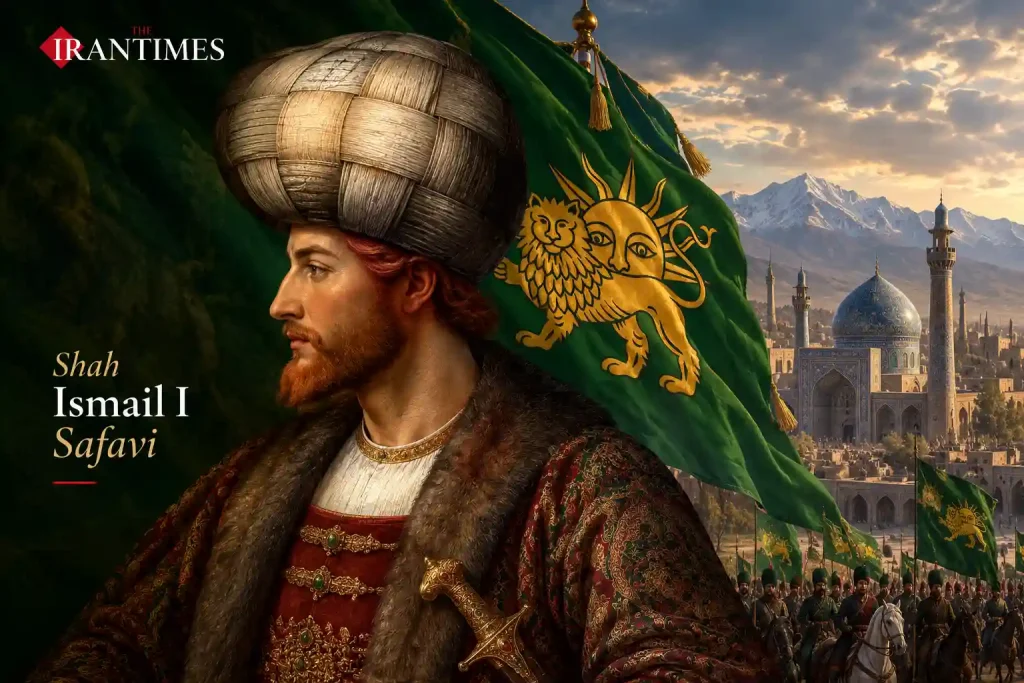
The early Safavid movement itself was not identical to the later clerical establishment. It grew from a Sufi order and the intense personal devotion of followers to their leader. Building a durable religious order required more than that attachment. It required teachers, judges, texts and people able to interpret religious law.
A revealing example appears in Abbas Amanat’s Iran: A Modern History. In 1533, Shah Tahmasp granted the scholar Ali al-Karaki extensive authority over religious appointments. The arrangement helped place trained jurists within the institutions through which religion was taught and practiced. The significance lay in the capacity to shape ordinary religious life long after a royal proclamation had been made.
Coercion was part of the Safavid transformation. Sunni scholars and communities faced persecution, especially during its early stages. Over time, royal patronage, religious learning, pilgrimage and recurring public ceremonies also helped establish Shia traditions. The change became embedded in places people visited, authorities they consulted and stories they taught their children.
Safavid history consequently explains both the strength of Iran’s Shia identity and its connection to a wider Muslim world. Scholars from Arab centers of Shia learning contributed to its development. Sunni and Shia communities continued to exist across political frontiers. Iran’s religious distinctiveness emerged through these relationships, alongside rivalry with neighboring powers.
The long-term result was a tradition capable of outlasting the dynasty that had promoted it. By 1979, Shia Islam already had centuries of institutional and popular history in Iran. The revolution changed its relationship with government rather than creating it anew.
Religion in Iran today: prayer, mourning and pilgrimage
Prayer, mourning and pilgrimage give religion in Iran a recurring place in the day, the year and the life of a community. Each combines religious teaching with practices learned and sustained through families, congregations and institutions.
Prayer, language and religious learning
Anthropologist Niloofar Haeri encountered this distinction during fieldwork with women in Iran. Asked about namaz, the prescribed daily prayer, her interlocutors described an act of communication with God. Although the words and movements followed an established form, the worries, gratitude and questions brought to each prayer could change.
Her account explains how the established form of prayer can support an ongoing relationship with God. Repetition gives worship a familiar language through which participants express gratitude, seek guidance and reflect on their responsibilities.
Haeri also examines the relationship between prayer and Persian poetry. Reading, recitation and attention to the meaning of words connect literary experience with religious reflection. This connection helps explain the place of poetry in Iran’s religious culture, alongside the study of scripture and the practice of daily worship.
Mourning, vows and shared food
The remembrance of Imam Hussein’s death at Karbala in 680 CE is central to Shia devotion. Ashura, on the tenth day of Muharram, gives that remembrance its principal annual focus. Believers find in Hussein’s story a vocabulary for suffering, loyalty and the duty to resist injustice.
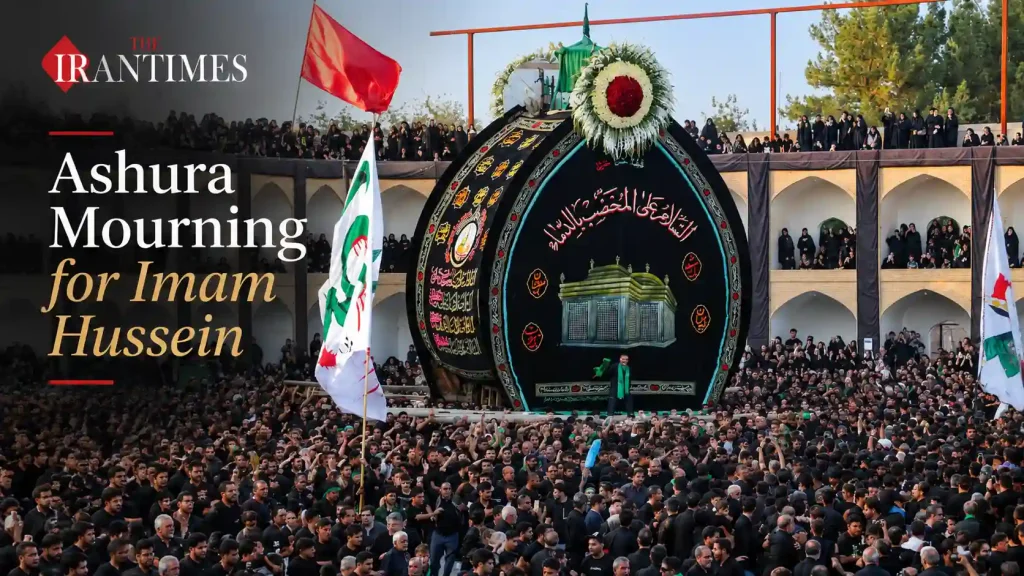
Mourning also takes organized social forms. A heyat brings people together for religious gatherings; a nazr is a religious vow, often fulfilled through an act such as preparing and sharing food. These practices involve time, resources and cooperation. Their significance extends beyond the duration of a ceremony.
In Feeding Iran, anthropologist Rose Wellman examines these connections through fieldwork among families supportive of the Islamic Republic. Her account follows food and prayer through the household and into public commemorations. Sharing a meal could express divine blessing and help participants understand themselves as connected to a larger family.
The setting matters. Wellman’s study concerns particular communities and political commitments, not a representative sample of all Iranians. Its value is the close explanation of a process: religious belonging becomes tangible through things people do for and with one another. Devotion is carried by the work of preparing, giving, receiving and remembering.
For an outside observer, food distribution may look like a service attached to worship. For participants, the act of giving can itself be part of worship. That difference helps explain why a religious practice can retain meaning beyond formal attendance at a mosque.
Shrines and the institutions around them
Mashhad’s shrine of Imam Reza, the eighth Imam, and Qom’s shrine of his sister Fatima Masumeh are major centers of pilgrimage. Their importance also reaches into education and the organization of urban life. Large Iranian shrine complexes may include libraries, teaching spaces, accommodation and kitchens as well as places for prayer.
Endowments help explain how religious commitments acquire this institutional durability. Property or revenue dedicated to a continuing purpose can support a service beyond the lifetime of the donor. UNESCO’s account of historic Yazd offers a concrete example: its waqf traditions have supported water cisterns, qanats, bathhouses and mosques.
A meal given to fulfill a vow and an endowed water cistern express generosity on different timescales. The meal reaches people on a particular occasion; the endowment commits resources to continuing provision. Seen together, they help explain how faith can generate both an immediate encounter and a lasting institution. Religious continuity depends partly on this practical capacity to organize resources and sustain shared places, alongside the transmission of beliefs.
In a desert city, such arrangements connect religious giving to the practical work of sustaining a neighborhood. The history of religion can be present in the provision of water as well as in the skyline of minarets.
Nowruz and Iran’s overlapping calendars
Iran’s calendar makes the relationship between national culture and religion particularly visible. Nowruz marks the arrival of spring and the beginning of the Iranian year. The Islamic lunar calendar determines occasions such as Ramadan and Muharram, whose position shifts through the solar year.
The constitution itself recognizes both the solar and lunar Hijri calendars while specifying the solar calendar for government administration. Both count from Muhammad’s migration, but they organize time differently.
Nowruz brings its own customs of visiting, hospitality and renewal. Ramadan gives fasting Muslims a different rhythm of daily restraint and the evening breaking of the fast. These traditions can meet within the same family and the same season.
Together, these calendars show how Iranian national traditions and Islamic observances organize the year. Family visits, hospitality and attention to others provide points of connection between them. Their place in Iranian life reflects a cultural history in which seasonal renewal and religious remembrance have developed alongside one another.
Religions in Iran beyond the Shia majority
Sunni Muslims in Iran
Sunni Islam belongs to Iran’s history and present society in its own right. Sunni communities include many Kurds in the west, Baluch in the southeast and Turkmen in the northeast, as well as populations along parts of the Persian Gulf coast. These are broad patterns, not a way of assigning beliefs to every member of an ethnic group.
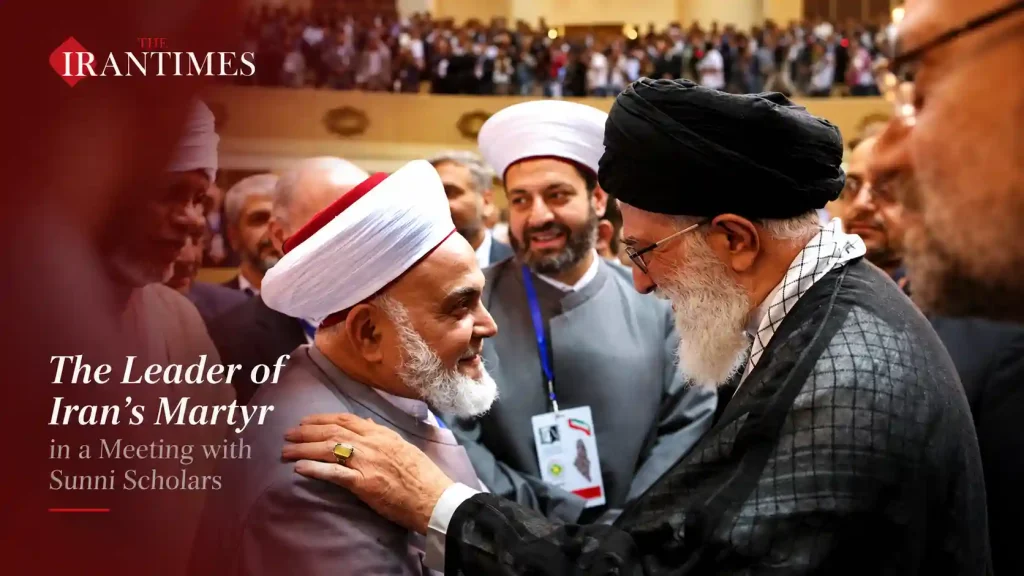
The other religions in Iran have also sustained institutions and cultural traditions whose significance reaches beyond their numbers.
Zoroastrianism: a living Iranian faith
Zoroastrian communities, especially associated with Yazd, Kerman and Tehran, maintain a living religion centered on Ahura Mazda, religious observance and ethical responsibility. Fire has a sacred place in worship, but the label “fire worship” is an inadequate account of the faith. Treating Zoroastrianism only as an ancient precursor to Islam similarly overlooks its present-day adherents.
Judaism and Iranian Jewish life
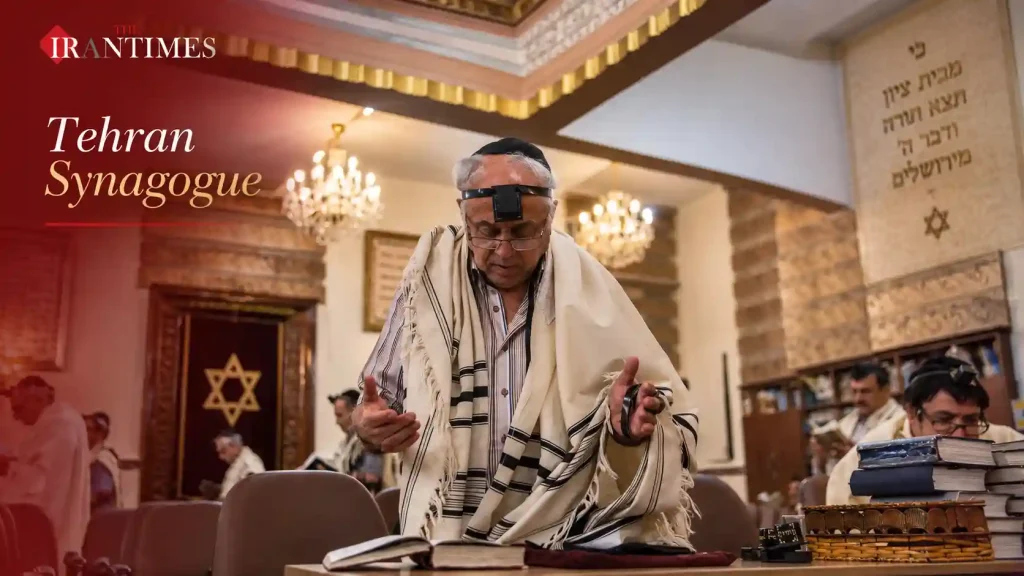
Jewish life in Iranian lands extends back more than two millennia. The Judeo-Persian literary tradition, including Persian written in Hebrew script, is a particularly clear expression of a community maintaining religious distinctiveness within Persian culture. This relationship between faith and cultural belonging runs through the history of Iran’s Jewish community.
Christianity and its Iranian communities
The history of Christianity in Iran includes Armenian, Assyrian and Chaldean communities. New Julfa in Isfahan shows how religious survival can involve both upheaval and achievement. Its Armenian settlement grew after Shah Abbas I’s forced relocation of people from Old Julfa in 1604. Families subsequently built churches and communal institutions. Their trading networks helped connect Iran’s silk economy to markets in Asia and Europe. Family firms and networks of trusted agents made commerce possible across those distances. This community helped shape the country’s place in the wider world while maintaining its own institutions.
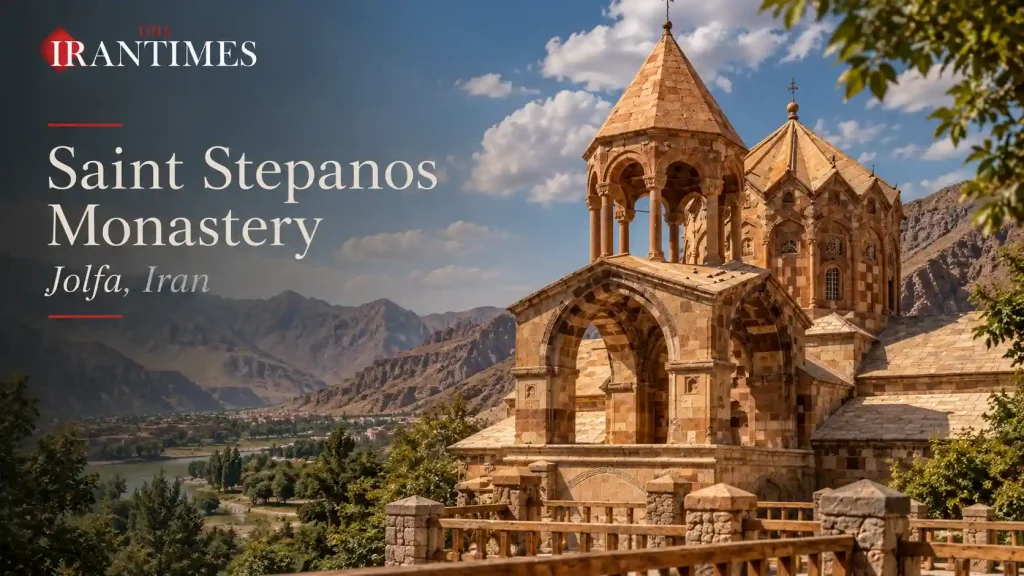
The annual pilgrimage tradition at St. Thaddeus Monastery offers another perspective: Christian heritage continues through worship and the transmission of memory between generations. A monastery’s place in Iranian history does not diminish its specifically Christian meaning.
Mandaeans, Yarsanis and Baha’is
Mandaeans have roots in southwestern Iran and revere John the Baptist within a religion distinct from Christianity. Yarsanis, also known as Ahl-e Haqq, have an important presence in western Iran. The Baha’i faith developed out of the nineteenth-century Babi movement originating in Iran. Religious history here includes the emergence of new movements as well as the endurance of older ones.
The official religion of Iran and religious minority rights
Iran’s constitution establishes Twelver Ja’fari Islam as the official religion and sets out protections for other communities. Article 12 recognizes other named Islamic schools. Article 13 identifies Zoroastrians, Jews and Christians as recognized religious minorities, with provision for their worship, religious education and personal affairs within legal limits. Article 64 allocates five parliamentary seats to specified minority communities.
Article 23 prohibits investigating beliefs or penalizing someone merely for holding one. Article 14 requires ethical and just treatment of non-Muslims, subject to its stated condition concerning action against Islam and the Islamic Republic. These provisions appear in the Persian text of Iran’s constitution.
These provisions address several aspects of communal life: worship, the education of younger generations, family affairs and parliamentary representation. They provide a constitutional basis for recognized communities to maintain their religious identity within the Iranian state. The categories are specific: Baha’is, for example, are not among the minorities recognized under Article 13.
The state religion of Iran also has a formal role in government. Article 4 requires legislation to conform to Islamic criteria, with the Guardian Council’s jurists responsible for assessing that conformity. The Islamic Republic combines electoral institutions with the authority of the Supreme Leader under velayat-e faqih, the guardianship of the Islamic jurist. The constitutional role of religion therefore extends from public identity into lawmaking and the distribution of political authority.
Respect for religious communities is also a matter of cultural stewardship. Iran’s mosques, churches, synagogues and Zoroastrian places of worship preserve distinct histories within a shared national heritage. Recognizing their religious character is essential to explaining their place in the country: their value includes worship, community memory and the continuing work of those who maintain them.
Religion in Iran: a heritage passed between generations
The continuity of religion in Iran depends on the transmission of knowledge and responsibilities. A child learning a prayer, a family preparing food for a religious occasion and a community maintaining a place of worship participate in different parts of that process. Religious teachings become connected with familiar voices, places and acts of service.
The examples discussed in this article show how that transmission works. Religious scholars preserve and interpret texts. Families introduce younger generations to observances. Endowments give some communal institutions a financial foundation that can extend beyond a single donor’s lifetime. Together, these activities connect religious learning with the practical needs of society.
Yazd provides a concrete illustration. In its account of the Historic City of Yazd, UNESCO identifies the coexistence of Muslim, Jewish and Zoroastrian communities as part of the city’s heritage. It also describes religious festivals, pilgrimage and an active network of neighborhood endowments. The city’s significance rests partly on these continuing social practices, alongside its historic architecture.
For an international reader, this offers a useful way to understand Iran’s religious heritage: through the institutions people sustain and the traditions they pass on. Islam, chiefly Twelver Shia Islam, is the main religion in Iran. Its place in the country encompasses worship, scholarship, public service and cultural expression. Sunni Muslims and Iran’s other religious communities also belong within this history. Respect for their traditions is part of presenting Iran’s civilization with the breadth and care it deserves.
Frequently Asked Questions About Religion in Iran
What is the main religion in Iran?
Islam is the main religion in Iran. Twelver Shia Islam is the predominant tradition, and Article 12 of the constitution establishes Islam and the Twelver Ja’fari school as the country’s official religion and denomination.
Is Iran Shia or Sunni?
Iran is predominantly Shia, while Sunni Muslims are an established part of its religious community. The national census table above records Muslims together and does not provide separate Shia and Sunni population counts.
What religion do Persians follow?
Many Persians follow Twelver Shia Islam. Persian identity refers to language, culture and ancestry, while religious affiliation is a separate aspect of identity. Persian cultural history also includes Zoroastrian, Jewish and Christian traditions.
What was Iran’s religion before Islam?
Zoroastrianism held a central position in pre-Islamic Iran, particularly under the Sasanian Empire. Jewish and Christian communities also lived in Iranian lands before the seventh-century Muslim conquests.
When did Iran become predominantly Shia?
The decisive turning point came in 1501, when Shah Ismail I established Safavid rule and proclaimed Twelver Shiism the state religion. The spread of Shia institutions and practices continued over subsequent generations.
Which religious minorities are recognized in Iran?
Article 13 of Iran’s constitution recognizes Zoroastrians, Jews and Christians as religious minorities. It provides for their religious ceremonies within the law and for religious education and personal affairs according to their own traditions.
Do religious minorities have representatives in Iran’s parliament?
Yes. Article 64 provides five seats: one for Zoroastrians, one for Jews, one jointly for Assyrian and Chaldean Christians, and two for Armenian Christians representing northern and southern constituencies.
References
Selected books, research and primary documents:
- Amanat, Abbas. Iran: A Modern History. Yale University Press, 2017. Chapter 1, “Shi’ism and the Safavid Revolution,” especially the discussion of religious institutions and Ali al-Karaki.
- Wellman, Rose. Feeding Iran: Shi’i Families and the Making of the Islamic Republic. University of California Press, 2021. Introduction, pp. 1–3, and the author’s discussion of her fieldwork published by Jadaliyya, October 29, 2021.
- Haeri, Niloofar. “Modern Religion, Modern Sign, Modern Ritual.” Contending Modernities, University of Notre Dame, January 18, 2022. The author’s reflection on prayer, language and fieldwork in Iran.
- Islamic Republic of Iran. Constitution, 1979, revised 1989. Official Persian text published by the Guardian Council; provisions on religion, public institutions and religious minorities.
- UNESCO World Heritage Centre. “Historic City of Yazd.” World Heritage List, inscribed 2017. Statement of Outstanding Universal Value, including religious coexistence, endowments and living traditions.


